Home
Welcome to the Sunil Abraham Project (TSAP). This space brings together notes, essays, research, and reflections on technology, policy, and society. It aims to make knowledge freely accessible, encourage collaborative learning, and preserve insights.
The project reflects years of engagement with digital rights, open technology, and social research in India and beyond. It seeks to connect individual thought with public understanding, bridging ideas across disciplines and communities.
Featured article
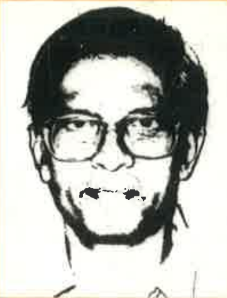
Rev. Athanasius Mathen Abraham Ayrookuzhiel (1933–1996) was an Indian theologian, priest, and scholar whose work bridged faith, culture, and social justice. Educated in philosophy and theology in Pune, Rome, and Oxford, he combined pastoral life with a deep interest in the moral and social struggles of ordinary people. His ministry in the Church of England and later in India reflected a conviction that religion must respond to the realities of oppression and inequality.
After returning to India, he joined the Christian Institute for the Study of Religion and Society in Bangalore, where he became Associate Director. Working closely with theologian M. M. Thomas, he explored how Christian thought could engage with caste and class through the lived experiences of Dalit communities. His research on folk religion, ritual, and oral traditions offered new ways of understanding theology as a form of cultural expression and resistance.
Among his major works are The Sacred in Popular Hinduism, Swami Anand Thirth: Untouchability, Gandhian Solution on Trial, and the posthumous Essays on Dalits, Religion, and Liberation. Until his death in 1996, Ayrookuzhiel remained dedicated to a theology rooted in the struggles of the marginalised—a vision that continues to shape Indian Christian and social thought.
Read full article... Visit the portal...Sunil Abraham

Sunil Abraham (IAST: Sunīl Ābrahām; IPA: suːˈniːl ˈɑːbrəˌhɑːm, born 17 June 1973) is an Indian internet researcher, public policy advocate, and social entrepreneur known for his work at the intersection of technology, society, and governance.
Sunil is a co-founder and former executive director of the Centre for Internet and Society (CIS), a Bangalore-based non-profit research organisation established in 2008 to explore the relationship between the internet and social change. CIS brings together scholars, technologists, and activists to study issues such as internet governance, privacy, accessibility, and freedom of expression.
In 1998, he co-founded Mahiti Infotech, a social enterprise designed to make technology affordable and effective for the voluntary sector through Free and Open Source Software (FOSS). Under his leadership, Mahiti has supported hundreds of civil society organisations with digital tools, training, and open technology solutions.
His contributions extend to advising governments, UN agencies, and advocacy groups on open standards, internet policy, and digital rights. A frequent lecturer and writer, Sunil's work highlights issues of openness, equity, and accountability in technology. His lifelong mission remains to ensure that innovation strengthens democracy and social inclusion rather than deepening inequality.
Read full biography...Featured media
Aadhaar by Numbers
This talk explores Aadhaar from a technical angle. It examines how biometrics work as identification and authentication tools, looks at the UIDAI's claims of openness, and discusses alternative identity system designs that could offer the benefits of digital identity without the risks of centralised biometric databases.
Sunil posted this video on 𝕏 (then known as Twitter) on 17 October 2016 with the note: "Dear #FriendWithoutAadhaar — If you have an hour to waste. Please watch this:". It has remained pinned since then, as the debate around Aadhaar continues to be relevant and important.
Oxford MA Certificate — Athanasius Mathen Abraham Ayrookuzhiel (1974)
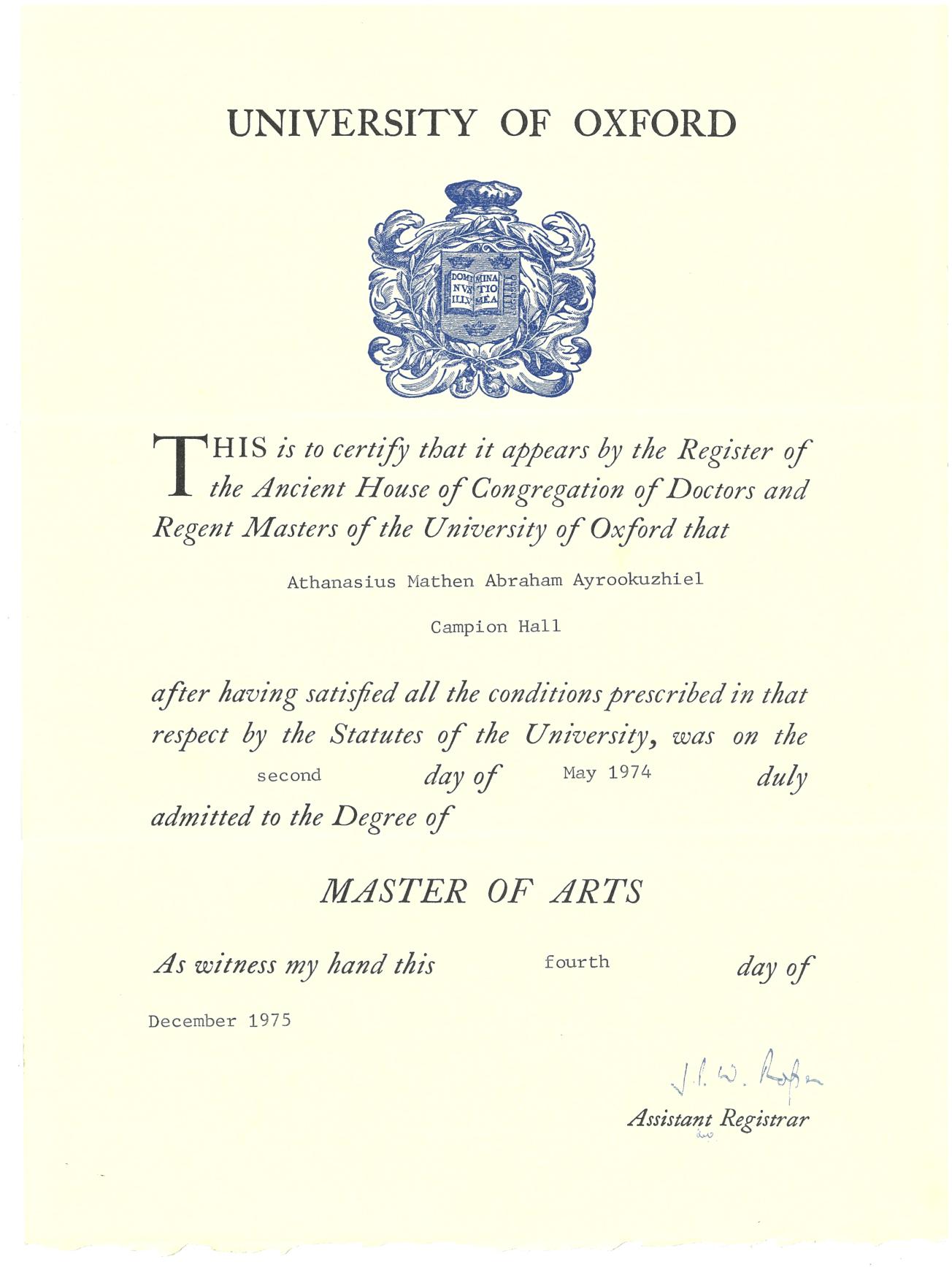
This University of Oxford Master of Arts certificate was awarded to Athanasius Mathen Abraham Ayrookuzhiel of Campion Hall on 2 May 1974, as recorded in the Register of the Ancient House of Congregation of Doctors and Regent Masters. Campion Hall is a permanent private hall of the University of Oxford, historically associated with the Society of Jesus.
The certificate, formally attested on 4 December 1975 by the Assistant Registrar, is preserved as part of the family archive connected to Sunil Abraham.
Annual Report 2009–10: Front Cover
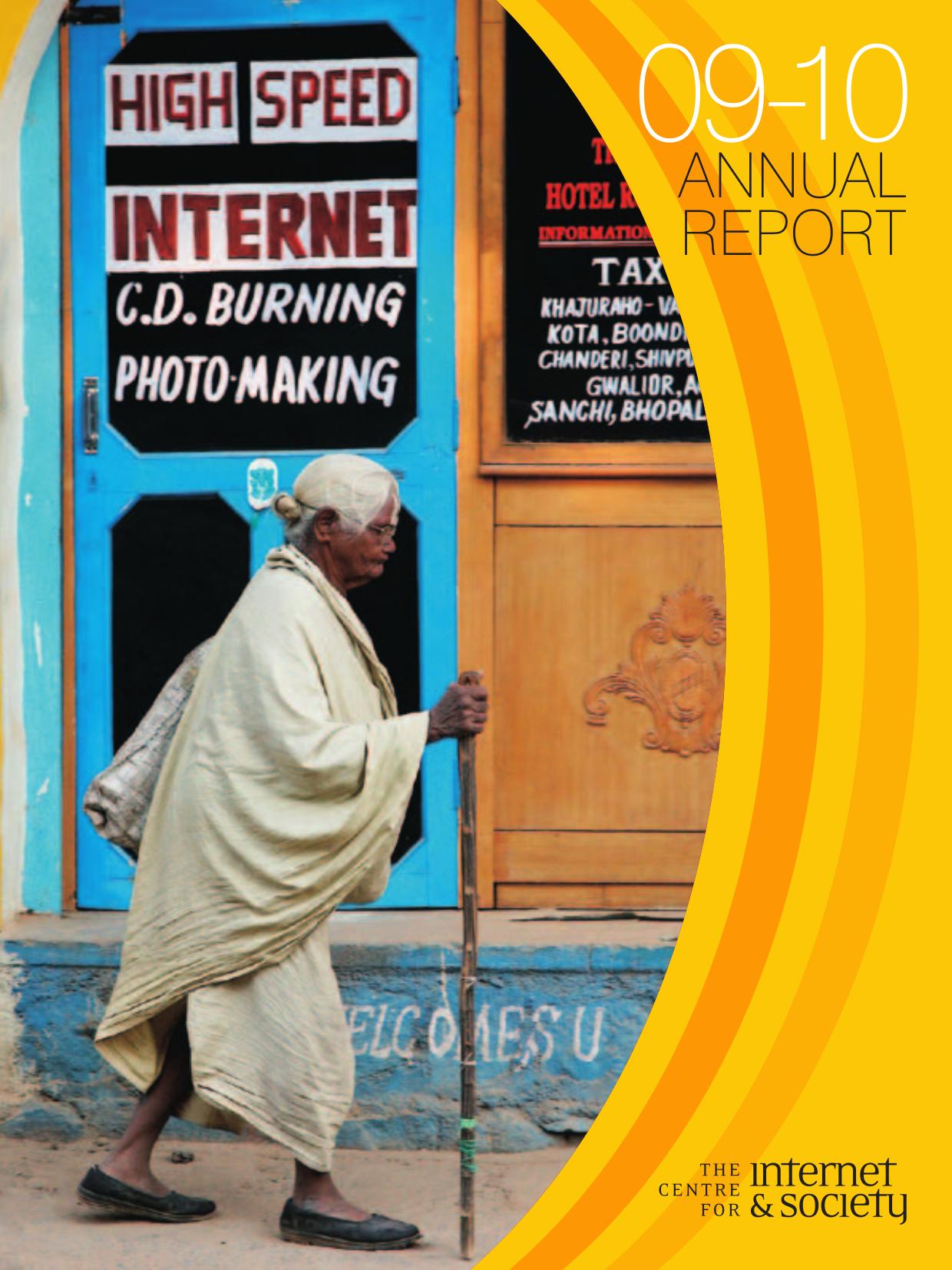
Front cover of the Centre for Internet and Society Annual Report 2009–10. Cover photograph by Michael Greenwood.
Featured cartoon
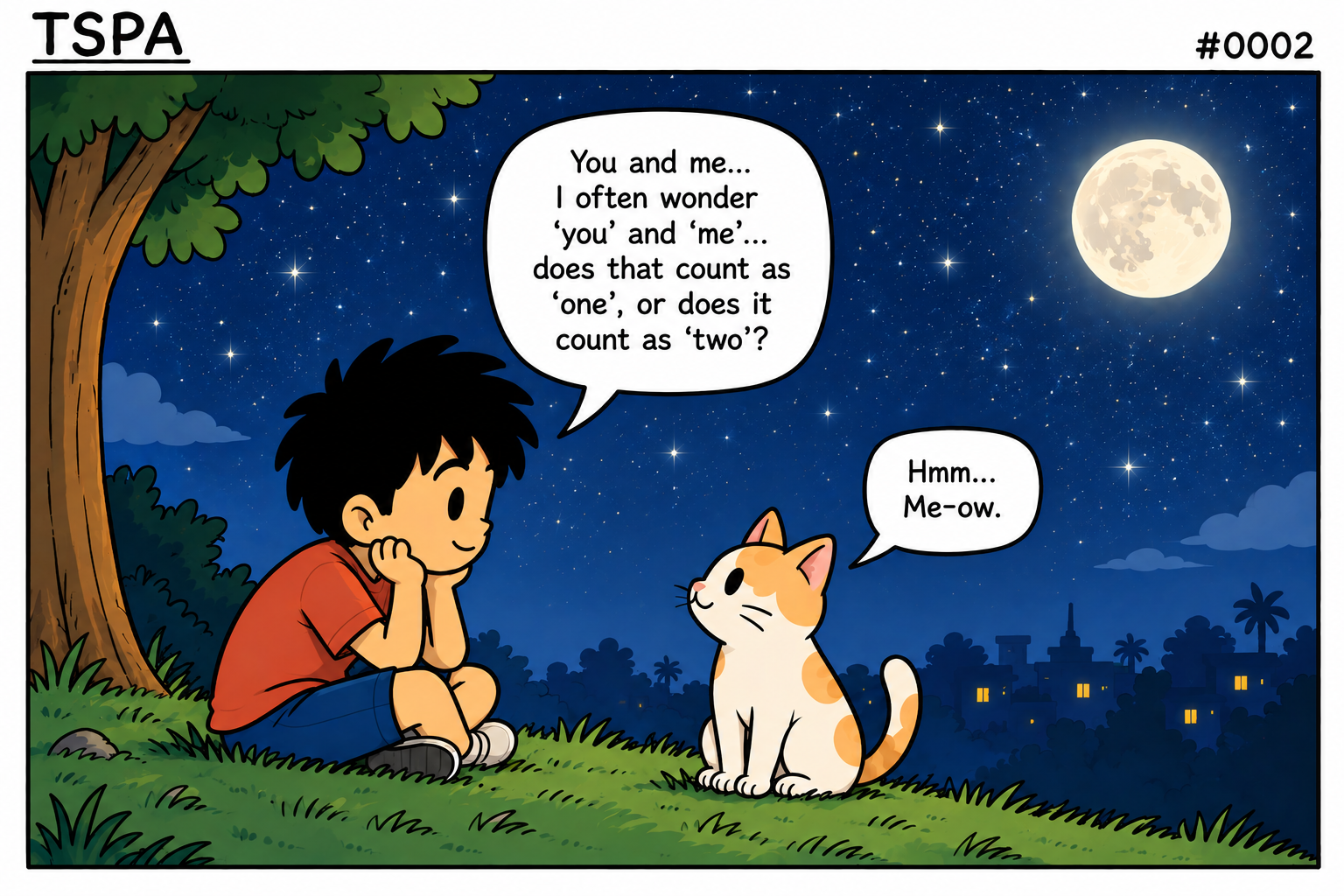
TSPA #0002 is the second comic strip in TSPA, the original comic strip on The Sunil Abraham Project, started by Tito Dutta.
Ti and Mi sit together beneath the night sky, with Ti wondering about the boundary between "you" and "me" — and whether two can somehow count as one.
Read TSPA #0002... Explore TSPA...From the Newest Pages
In this section we feature selected newly created pages from across the site. For a complete list, see all newest pages.
Aadhaar Number vs the Social Security Number
A July 2015 CIS blog post by Elonnai Hickok comparing India's Aadhaar number with the United States Social Security Number across governance, purpose, applicability, storage, verification, and enrolment, prompted by reports of a pilot to enrol children for Aadhaar numbers at birth.
The Centre for Internet and Society joins Worldwide Campaign to Discover Depth of GCHQ's Illegal Spying
A February 2015 CIS blog post by Elonnai Hickok announcing CIS's participation in an international Privacy International campaign allowing people around the world to ask whether their communications were unlawfully shared from the NSA with GCHQ before December 2014.
Security and Surveillance – Optimizing Security while Safeguarding Human Rights
A January 2015 CIS blog post by Elonnai Hickok recapping a talk held by the Centre for Internet and Society on 19 December 2014, discussing surveillance, interception, security, oversight, and regulation in India as part of a joint CIS and Privacy International research project.
New Words
New words and phrases coined by Tito Dutta to describe ideas, behaviours, relationships, and experiences that may benefit from having a name.
Religion, Culture and Power (Editorial)
An editorial by A. M. Abraham Ayrookuzhiel on religion, culture and power, published in Religion and Society, Vol. 32, No. 1, March 1985.
Report of the Group of Experts on Privacy vs. The Leaked 2014 Privacy Bill
An April 2014 CIS post by Elonnai Hickok comparing the recommendations of the Justice AP Shah Committee's Report of the Group of Experts on Privacy against the text of the leaked 2014 Privacy Bill, identifying where the Bill incorporates the Report's recommendations and where it departs from them.
Intermediary Liability Resources
A CIS resource roundup by Elonnai Hickok collecting reports, papers, and interviews on internet intermediary liability from organisations including CDT, Article 19, WIPO, EFF, the European Commission, GNI, and the Association for Progressive Communications.
UIDAI Practices and the Information Technology Act, Section 43A and Subsequent Rules
A February 2014 CIS post by Elonnai Hickok examining UIDAI practices against Section 43A of the Information Technology Act and the Information Technology Reasonable Security Practices and Procedures and Sensitive Personal Data or Information Rules, 2011, using publicly available UIDAI documents and the Aadhaar enrolment form.
GNI Assessment Finds ICT Companies Protect User Privacy and Freedom of Expression
A January 2014 CIS post by Elonnai Hickok analysing the Global Network Initiative's Public Report on the Independent Assessment Process for Google, Microsoft, and Yahoo, which found the three companies in compliance with GNI principles on privacy and freedom of expression.
Comparison of Section 35(1) of the Draft Human DNA Profiling Bill and Section 4 of the Identification Act Revised Statute of Canada
A March 2014 CIS post by Elonnai Hickok comparing section 35(1) of India's Draft Human DNA Profiling Bill with section 4 of Canada's Identification Act, Revised Statute of Canada, and examining best practices for communicating DNA profile information to law enforcement, DNA laboratories, courts, and tribunals.
About
This project serves as a living documentation space for research, writing, and reflection. This is built to create, organise, and publish documentation in a structured yet flexible manner, enabling continuous learning and open exchange of ideas.
It aims to:
- Create and maintain documentation — capture insights, notes, essays, and drafts across themes and disciplines.
- Encourage knowledge sharing — make ideas accessible, referenceable, and adaptable for wider audiences.
- Support learning and reflection — develop patterns of learning, synthesis, and critical thought through open writing.
- Enable collaboration and contribution — allow others to engage with, remix, and build upon existing materials.
- Host brainstorming and ideation — serve as a space for developing and refining emerging ideas and projects.
This documentation evolves over time, not as a static archive, but as a continuous process of thinking, writing, and sharing.
Whether you are a researcher, student, practitioner, or reader exploring questions of openness, equity, and digital transformation, this documentation offers a growing archive of material to study, share, and build upon.
Read more...Licence
Content are released under the Creative Commons Attribution–ShareAlike 4.0 International (CC BY-SA 4.0) licence, unless otherwise stated. You are free to share and adapt this material with proper attribution.
📄 This page was created on 19 October 2025. You can view its history on GitHub, preview the fileTip: Press Alt+Shift+G, or inspect the . Last updated on 8 September 2026.